
RFID Selection for Apparel Retail
From warehouses to stores, apparel RFID requires tags, individual item data and inventory workflows together. Choose a verified location or shelf, validate mounting, encoding and boundaries, then define purchasing and deployment scope from pilot results.
Three steps from requirements to a verifiable solution.
Start by defining the objects to identify, then confirm tags, readers and business data together. Retain verifiable conditions and results at every step so sampling, purchasing and implementation share the same requirements.
Link individual items to inventory records
Organize SKUs, individual serial numbers and existing barcodes. Define how RFID identifiers map to inventory records. Provide existing readers and system requirements to confirm hangtags, frequency bands and encoding together.
Validate tags on real merchandise
Attach candidate hangtags to actual apparel, including hanging, folded, boxed and metal-trimmed items. Read along the store or warehouse operating route, recording missed reads and reads outside the target area.
Include pilot results in delivery requirements
Check data after receiving, inventory and tag replacement. Confirm printed content, encoding verification and packaging. Save sample versions and operating steps before defining production quantities and delivery arrangements.
Confirm these points before purchasing.
- Each item has a unique identifier linked to the correct SKU and inventory record.
- Test hanging, folded and boxed items with the actual equipment.
- Define inventory boundaries and check for unintended reads of items outside them.
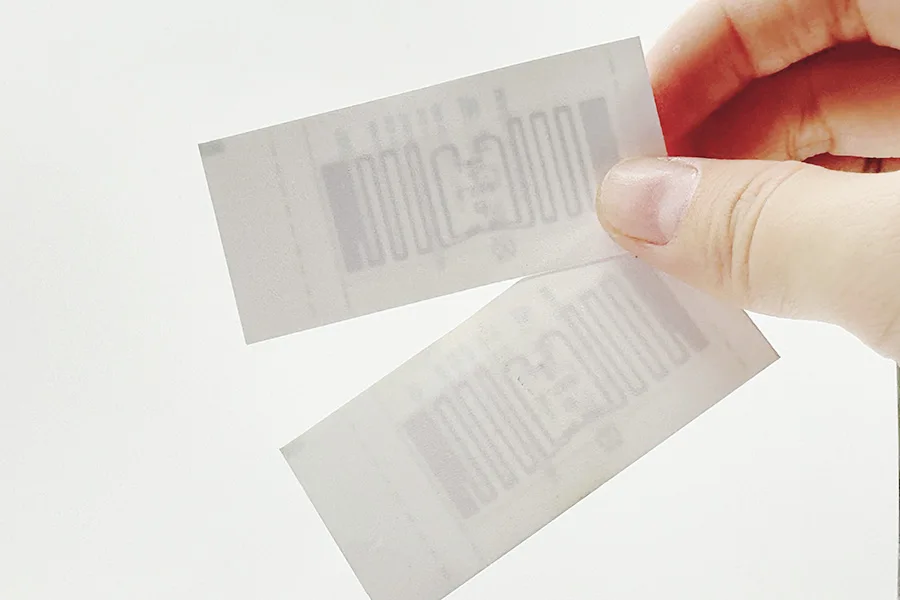
- Confirm artwork, punching, inlay placement and encoding verification requirements together.
Record the sample version, equipment settings and test conditions together. Chip, dimensions, quantity, environmental requirements and delivery arrangements depend on the confirmed product solution and quotation.
Discuss your tag requirements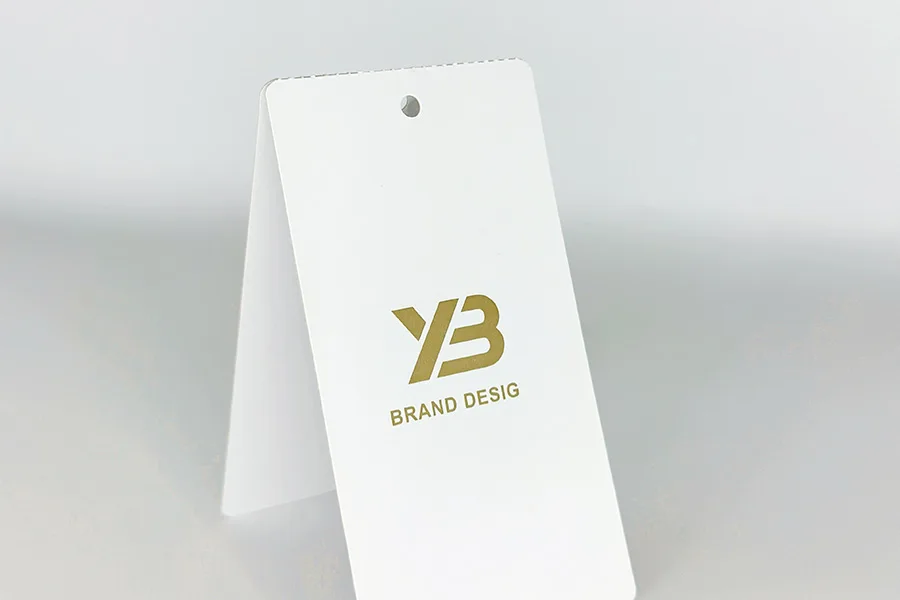
Questions to consider before choosing a tag.
Why confirm encoding rules when our hangtags already have barcodes?
A barcode may represent a product category, while RFID projects often identify individual items. Define how both identifiers relate to product records, and check duplicate encoding, unregistered codes and tag replacement before using reads for inventory.
Can we start a full-store inventory just by replacing the hangtags?
First test tags, equipment, encoding and inventory data within a verified set of products and a defined area. Record reading differences and review time, then expand after confirming the workflow.
Bring your application conditions into the selection discussion.
Tell us about the identification targets, readers, operating environment and expected quantity to align the tag solution with the actual workflow.