Define a business scope that can be verified
Choose a shelf group, storage location or receiving area and define which items belong to the inventory and which are outside. Prepare a verified list, then measure time and discrepancy handling for the current process within the same scope.
Set acceptance goals separately for inventory time, unread items, unintended reads outside the area and data review. Goals should follow actual business requirements, rather than copy results from other projects.
Test tagged products, not just the tags
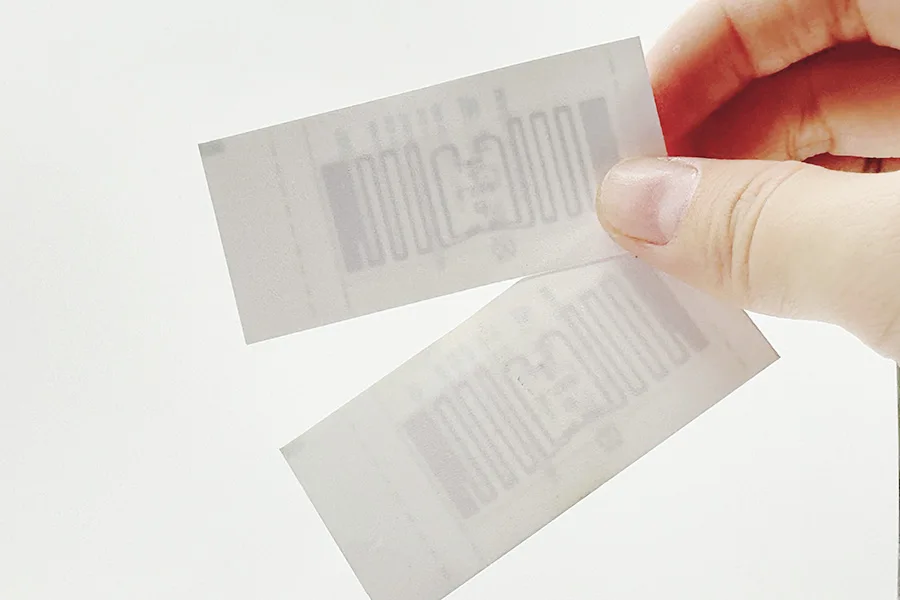
GS1 TIPP defines performance, test configurations and test methods for the combined tag and item. Apply the same approach to pilots: evaluate tags mounted on actual merchandise and positioned as they will be used.
Include hanging, folded, stacked and packaged samples, covering products with metal accessories and different materials. Record tag position and orientation, and avoid arbitrary installation changes during production after validation.
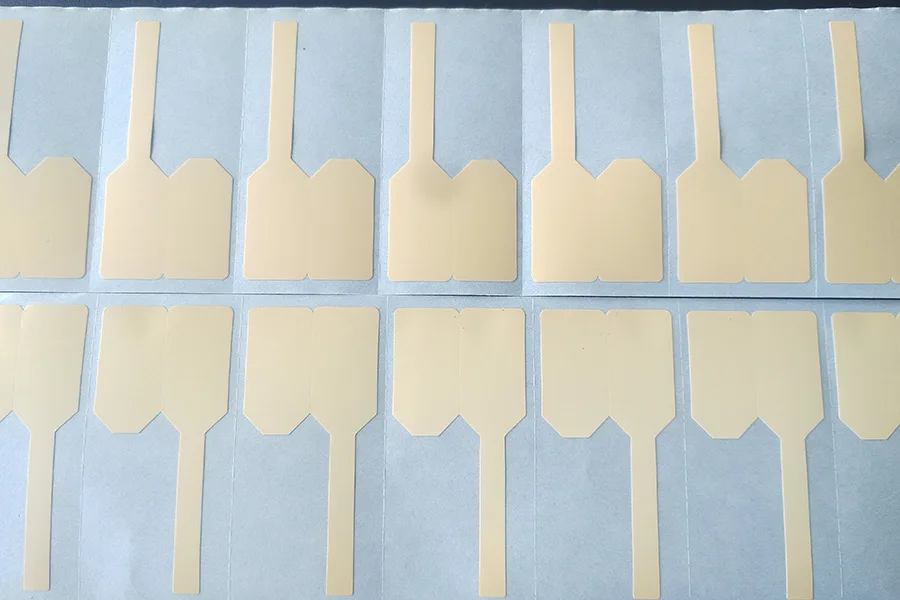
- Candidate tags: Compare samples that meet size and printing requirements.
- Item mix: Include materials, packaging and placement arrangements actually present in the pilot.
- Reading procedure: Fixed route, equipment configuration, operator steps and inventory boundaries.
Check encoding and system mapping before scaling up
After a tag is read, it must map accurately to the item record. In the pilot, check mappings between tag identifiers, product or individual records, barcodes and the inventory system, investigating duplicate codes, unregistered codes and read/write failures.
For GS1 EPC encoding, establish data rules for the selected scheme. GS1 EPC Tag Data Standard defines EPC formats and encoding. Air interface compatibility does not mean inventory data has already been mapped correctly.
Record the causes of discrepancies so the pilot is reproducible
Save the item list, equipment settings, operating steps and reading results for each round. For missed or unintended reads, check labeling, positioning, boundaries and data mapping, then repeat under the same conditions.
Expand categories or scope once tags, mounting, equipment and system workflows are stable. The following record fields are project recommendations, not TIPP laboratory certification or a substitute for customer-required compliance testing.
- Expected item list and unique identifiers for this test round.
- Correct identification, missed reads, unintended reads outside the area and duplicate data.
- Inventory time, manual verification time and exception-handling steps.
- The cause of each exception, changes made and retest results.
Sources
Frequently asked questions
How many garments should a pilot test include?
There is no fixed quantity suitable for every project. First cover actual product categories, materials, packaging, stacking and operating methods, then decide expansion based on the causes of differences and repeat tests.
Why are stock quantities still wrong when the tags can be read?
RF reading is only part of the workflow. Duplicate encoding, missing item mapping, reads outside inventory boundaries, unhandled duplicate data or inventory transactions can cause discrepancies. Check them individually against a verified item list.
Can inventory accuracy or time savings be guaranteed upfront?
Measure first within a defined scope, equipment configuration and workflow. State pilot conditions and separately record reading differences, review work and total time before assessing project goals.