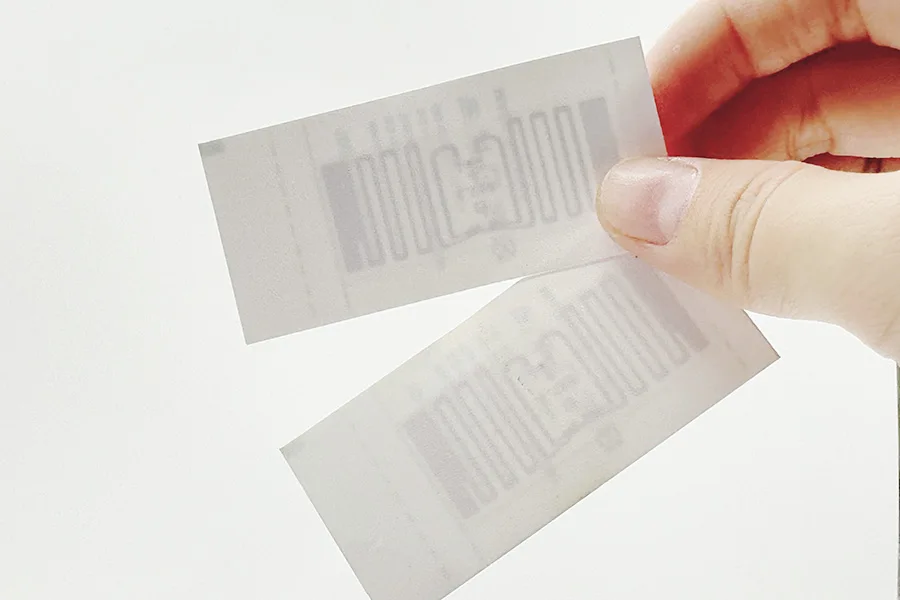
Key conclusions
Select RFID laundry tags according to the complete care process, final installation method and actual reading steps. Record the operating conditions first, then compare samples before and after washing. Wash-cycle durability, model suitability and purchasing conditions must be confirmed with matching evidence.
What to check before purchasing
- Distinguish garment care from industrial laundering and document the complete process.
- Use samples with the final installation to check appearance, data and wet and dry reading separately.
- Confirm cycle counts and acceptance conditions using evidence for the specific model and agreements between both parties.
First distinguish garment care from industrial laundering
Specify whether you are identifying finished garments, uniforms, bed linen or other textiles, and describe the care process actually used. A similar tag appearance does not establish that the construction, installation method or durability is the same.
The published scope of ISO 6330 covers domestic washing and drying tests for textiles; ISO 15797 covers industrial laundering tests for workwear. These standards can help define the test scope, but they do not prove that the RFID products on this site are certified or achieve a particular service life.
- Record the textile, use case and washing equipment, rather than simply stating that wash resistance is required.
- Confirm the care, finishing and reading tasks separately, and identify the process steps where reading is required.
- Mark unknown models and application limits as pending confirmation, and request supporting sample information first.
Turn the complete process into test conditions
List washing, rinsing, water extraction, tumble drying, ironing or pressing in sequence. Record temperatures together with their duration and process step; also specify detergents, bleach, pressure and mechanical action as used in the actual process.
Agree on the steps included in one cycle before discussing the target number of cycles. If laboratory and site processes differ, list the differences and use the actual equipment to carry out any additional validation required.
- Record the equipment, process version, detergent name and actual dosage or concentration.
- Record the temperature, duration and finishing conditions for each stage, rather than providing only the maximum temperature.
- Define the intended service life, inspection points and how records will resume after an interruption.
Validate samples with the final sewing or installation
First confirm the permitted attachment methods and installation restrictions for each candidate model, then prepare samples using the final fabric, location and process. Use the model drawings to plan stitching and subsequent processing areas to avoid damaging the chip or antenna; acceptance testing must cover more than unattached tags.
Keep photographs and records of the sample model, batch, print version and encoding version. Link printed numbers to electronic identifiers and business records, and confirm whether the attached tag affects wearability, appearance or subsequent finishing.
- Record the fabric, installation location, tag orientation and installation parameters.
- Check stitching, detachment, cracking and whether visible information remains legible.
- Review affected tests after changing the base material, construction or installation process.
Compare reads before and after washing at the actual process steps
Save baseline read results before testing, then retest at the agreed inspection points using consistent readers, regional frequency settings, power, antenna positions and operating methods. Record equipment and software versions so changes in read settings are not mistaken for tag aging.
GS1 explains that water affects the radio-frequency performance of RAIN RFID. If the process requires reading damp textiles, record wet and dry conditions separately. Test folding, stacking and cart loading in actual operational configurations as well; results for a single dry item cannot replace these tests.
- Record the expected item count, identifiers actually read, missed reads, reads outside the intended zone and elapsed time.
- Check that post-wash identifiers still correspond to business records, and verify any write operations required by the project.
- Keep the failure conditions and raw results, rather than recording only that the test passed.
Review wash-resistance evidence using cycle records
Require test records to specify the model, batch, sample size, complete process, every inspection point and failure criteria. Research on washable UHF RFID prototypes shows that different constructions produce different results under specific processes; the cycle counts and temperatures of the prototypes in the paper do not represent the performance of models supplied on this site.
Record visible damage, attachment failures, unreadable tags and data anomalies separately. Both parties must agree in advance on the sample size, target cycles and pass criteria; do not apply a universal cycle count or reading guarantee to all laundry tags.
- Check that the model, installation method and operating conditions covered by the evidence match the purchasing plan.
- Record the sample condition, photographs and read results at each inspection.
- If a failure occurs, retain the sample and test conditions, determine the cause, then adjust the plan.
Prepare quotation information from the validation findings
An initial inquiry can include the textile type, care process, installation location, equipment models, encoding and printing requirements, intended service life and estimated quantity. Unconfirmed chips, test conditions or models can be marked as requiring selection.
Keep the sample version, acceptance conditions and confirmed test results in the same purchasing record. Confirm MOQ, costs, lead times and replenishment terms for the specific solution; this guide does not replace model documentation, test reports or purchasing agreements.
- Provide the complete process and samples with the final installation, and state which conditions still need confirmation.
- Agree on the correspondence between printing and encoding, segregation of nonconforming items and how tag replacements will be handled.
- Confirm the sample plan and acceptance scope before approving bulk delivery.
Sources
Frequently asked questions
Are all RFID garment care labels suitable for industrial laundering?
Do not assume they are suitable. Check the construction, installation method and test conditions of the specific model, then validate the actual process using samples with the final installation. Similar appearance or a successful initial read is insufficient evidence of resistance to industrial laundering.
How many washing cycles should be required?
First define the complete cycle, intended service life and failure criteria, then confirm the test evidence for the specific model with the supplier. There is no universal cycle count for all RFID laundry tags, and research results from other prototypes cannot replace acceptance testing of the model being purchased.
Does waterproof mean wash-resistant?
The two cannot be directly equated. Care processes may involve detergents, heat, pressure, mechanical action and finishing at the same time. Confirm the actual conditions individually, then test installed samples. If wet reading is required, record wet-state performance separately as well.
What information is needed for a laundry tag quotation?
Provide the textile type, complete care conditions, installation location and dimensions, read/write equipment, printing and encoding requirements, intended service life and quantity. Mark unknown items as pending confirmation, and check the model, MOQ, lead time and sample acceptance plan for the project.