
RFID Selection for Jewelry Retail
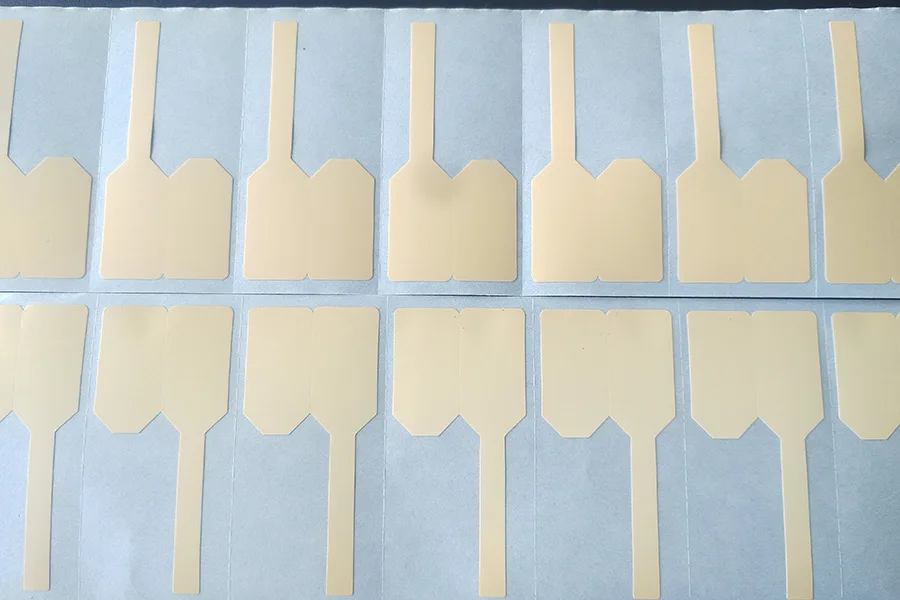
Jewelry RFID selection balances product display, attachment and counter reading. Confirm structures with actual rings, necklaces and bracelets, then test real counters and storage, keeping tags linked to products, certificates and inventory records.
Three steps from requirements to a verifiable solution.
Start by defining the objects to identify, then confirm tags, readers and business data together. Retain verifiable conditions and results at every step so sampling, purchasing and implementation share the same requirements.
Match merchandise and display methods
Provide the jewelry types, permitted tag dimensions and attachment locations. Compare threading, wrapping and other options, using samples to check effects on display, handling and packaging.
Create a unique business identity for each item
Link tag identifiers to item numbers, certificates and inventory records. Define updates for replacement tags, returns, price changes and item movements to avoid mismatches.
Verify performance at the actual counter
Test reading in dense displays, storage and individual handling. Check metal jewelry, counter materials and tag orientation. Compare inventory and stock movements against a verified item list.
Confirm these points before purchasing.
- Use a tag structure suited to different jewelry forms that does not interfere with normal presentation after attachment.
- Verify item, certificate, barcode and RFID identifier mappings individually.
- Include the actual display materials, placement density and storage arrangements in testing.
- Define procedures for damaged-tag replacement, returns and stock-movement exceptions.
Record the sample version, equipment settings and test conditions together. Chip, dimensions, quantity, environmental requirements and delivery arrangements depend on the confirmed product solution and quotation.
Discuss your tag requirementsStart with these products.
Questions to consider before choosing a tag.
Does densely arranged jewelry change reading results?
Validate with the actual display arrangement. Metal jewelry, counter materials, tag mounting and reading equipment all affect results. A single suspended tag test cannot replace counter testing.
Can RFID jewelry tags be used directly as anti-theft tags?
Anti-theft functions require tags, access control equipment and business workflows to work together. Provide existing equipment and required functions to confirm compatibility and exception handling; do not assume all tags are suitable.
Bring your application conditions into the selection discussion.
Tell us about the identification targets, readers, operating environment and expected quantity to align the tag solution with the actual workflow.