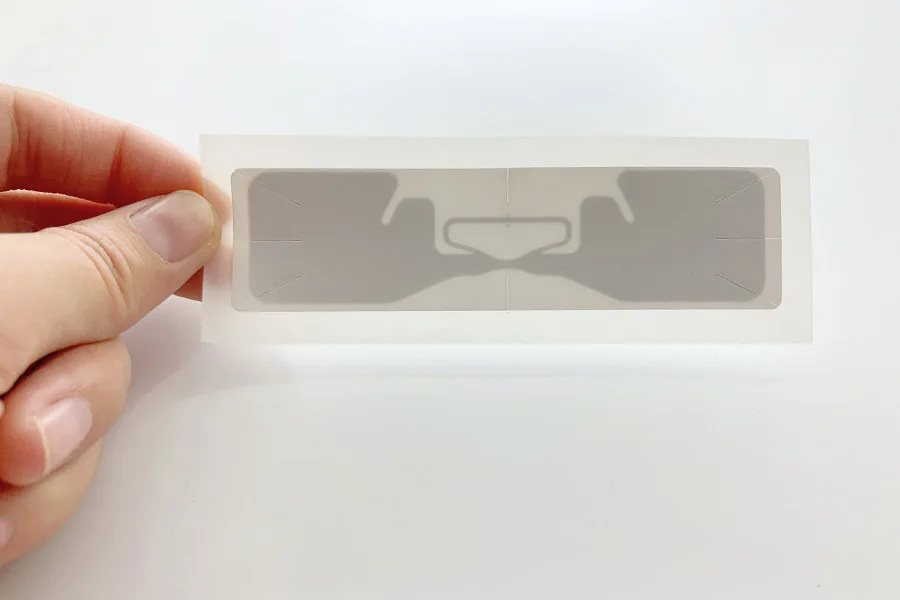
Key conclusions
Select RFID vehicle tags for the actual glass, window film, installation and lane workflow. Compare samples on representative vehicles, verify device protocols and regional settings, check reads in target and non-target areas, and test authorization, revocation and replacement before accepting the complete access process.
What to check before purchasing
- Validate the final installation position and orientation for each glass and window-film condition.
- Check device and regional settings together with the target lane, adjacent lanes and waiting area.
- Verify reading, authorization and access separately, including revocation, replacement and vehicle changes.
Document vehicles, glazing and window film
Select representative vehicle models and record windshield specifications, coatings or aftermarket film, permitted mounting areas and existing vehicle tags. Mark unknown glazing or film details as to be confirmed. Results from one vehicle do not establish performance across the fleet.
Nedap's installation instructions for its own UHF vehicle tags note that some vehicle glazing or films may contain metal and that a candidate mounting area should be tested. For procurement, check actual vehicle details and sample results rather than assuming every film affects reading or every model provides the same mounting window.
- Create a list linking vehicle models, glazing, film and sample identifiers.
- Keep photographs of candidate mounting areas and available vehicle documentation.
- Compare samples under different glazing and film conditions separately.
Confirm candidate positions, orientation and attachment
Use the candidate vehicle tag's model documentation to confirm the mounting surface, position and orientation, alongside vehicle and site requirements. Nedap recommends temporarily securing its tags for a reading test before permanent attachment. Evaluate Idenvero candidates according to their own instructions; that manufacturer's position and orientation requirements cannot be applied automatically.
Compare candidate samples in permitted mounting areas, recording dimensions after attachment, orientation and glazing conditions. Before permanent attachment, confirm that the tag does not obstruct the driver's view or vehicle functions. Check the specific model documentation for repositioning or surface preparation requirements.
- Record the final mounting position and orientation with photographs and the sample version.
- Confirm attachment, cleaning and replacement requirements for the specific model.
- Retest after changes to mounting position, glazing or tag structure.
Check equipment protocols and regional settings
Provide model and version details for the reader, antenna, controller and access software, and specify the deployment country or region. Check the candidate tag's frequency band, protocol, read/write tasks and output format. Ask the equipment provider to confirm regional settings and applicable requirements. The description ‘RFID vehicle tag’ alone does not establish compatibility.
Keep the equipment settings approved for the project and interface examples. Check how a read identifier reaches the vehicle management system. Verify tag reading, record matching and business commands separately before accepting the complete access workflow.
- Check model and protocol documentation for the equipment and candidate vehicle tag.
- Record the deployment region, equipment configuration version and interface output.
- Review affected tests after changing equipment or system settings.
Check reading boundaries in the target lane and waiting area
Mark the intended identification area, adjacent lanes and waiting area on a lane diagram. Specify which vehicles should be read at each test step. The site manager should arrange vehicle movements and pilot testing under site safety rules. Record when the target vehicle is identified and whether adjacent or queued vehicles are also read.
Nedap's uPASS documentation explains that reading range depends on equipment configuration and mounting conditions. Use the verified vehicle list to check missed reads, duplicate events and reads outside the intended area. Also confirm how the system distinguishes lanes, handles duplicates and matches the vehicle currently requesting access, rather than comparing maximum distance alone.
- Keep expected vehicle lists and reading records for each lane and waiting area.
- Include actual queue conditions and vehicles in adjacent lanes.
- Have the site manager approve test vehicle movements and safety procedures.
Validate vehicle authorization, revocation and replacement
Check the mapping between electronic identifiers, visible numbers and vehicle records. Define validity periods, permitted access areas and exception review rules. Reading a tag and granting access are separate outcomes. Vehicle or permission changes must be confirmed by the business system; the tag does not authorize access by itself.
Test record handling after revocation, replacement and a change of vehicle. Confirm the new identifier mapping and revocation of old permissions. An old tag may remain readable, so check whether the system rejects its authorization according to the rules. Where offline devices are used, also validate updates and synchronization.
- Check valid, expired, unauthorized and revoked records separately.
- After replacement or a vehicle change, check how old and new identifiers map to vehicles.
- Confirm tamper resistance or security functions separately using evidence for the specific structure and system.
Accept the complete access workflow and prepare quotation details
Under the site's approved process, combine target vehicle reading, system decisions, operation logs and equipment responses in one complete acceptance test. Authorized personnel should organize barrier and safety equipment tests according to site and equipment rules. Agree the access method and exception handling from actual results, without promising passage without stopping in advance.
Include representative vehicle and glazing details, mounting photographs, a lane diagram, equipment information, encoding examples and sample records in the enquiry. State sample needs and anticipated order requirements separately, and agree acceptance criteria and retesting conditions. Confirm candidate models, MOQ, lead time and quotation scope for the project.
- Keep mounting details, equipment configuration, vehicle lists and exception handling under the same documented version.
- Confirm reading, authorization and complete workflow results separately.
- Include vehicle models, tag structures and system conditions still to be verified in the enquiry.
Sources
Frequently asked questions
Are RFID vehicle tags suitable for every windshield and window film?
Do not assume this. Provide actual glazing and film details, and test the candidate model in permitted mounting areas. Validate different vehicle models or mounting conditions separately. Results from another vehicle or another manufacturer's tag cannot be applied automatically.
Does a longer reading range always improve lane identification?
Not necessarily. Check when the target vehicle is identified, reads from adjacent lanes and the waiting area, duplicate events and system matching. Confirm suitable reading boundaries in the actual lane and the approved access workflow.
Does reading a vehicle tag open the barrier or allow passage without stopping?
Reading an identifier only completes the reading stage. Vehicle records, authorization decisions, system responses and the site's permitted access method also require validation. Authorized personnel must accept barrier and safety equipment under site rules. Passage without stopping cannot be promised in advance.
Does an old vehicle tag automatically become invalid after revocation or replacement?
Do not assume the tag itself automatically becomes invalid. Confirm how old permissions are handled, how the new identifier maps to the vehicle and how online or offline devices are updated. Tamper resistance and other security capabilities need evidence for the specific tag structure and system.