
RFID Selection for Records Management
Archive RFID projects first define whether they identify boxes, folders or individual documents. Map tags to catalog records, then design shelving, search, loans, returns and inventory workflows, emphasizing dense storage and cross-zone reads.
Three steps from requirements to a verifiable solution.
Start by defining the objects to identify, then confirm tags, readers and business data together. Retain verifiable conditions and results at every step so sampling, purchasing and implementation share the same requirements.
Define identification levels and catalog relationships
Organize the archive catalog, existing barcodes and loan and return rules. Define which object each tag identifier represents, then select candidate tags and mounting positions based on box materials, dimensions and reading equipment.
Check shelving and reading boundaries
Arrange samples using actual archive boxes, document thickness and shelf spacing. Test inventory and search after shelving. Check obstructions, adjacent shelves and unintended areas, and document stable operating steps.
Check lending, returns and exception handling
Integrate reading results with the catalog and loan processes. Check data after returns, box changes and tag replacement. Confirm permissions and data maintenance responsibilities, then accept against a verified archive list.
Confirm these points before purchasing.
- Define identification targets and catalog levels, without duplicate or mismatched tag identifiers.
- Test with the actual boxes, binding methods and shelving conditions.
- Validate shelf inventory, searching, and check-out and return workflows separately.
- Define clear rules for box changes, tag replacement, return locations and catalog updates.
Record the sample version, equipment settings and test conditions together. Chip, dimensions, quantity, environmental requirements and delivery arrangements depend on the confirmed product solution and quotation.
Discuss your tag requirementsStart with these products.
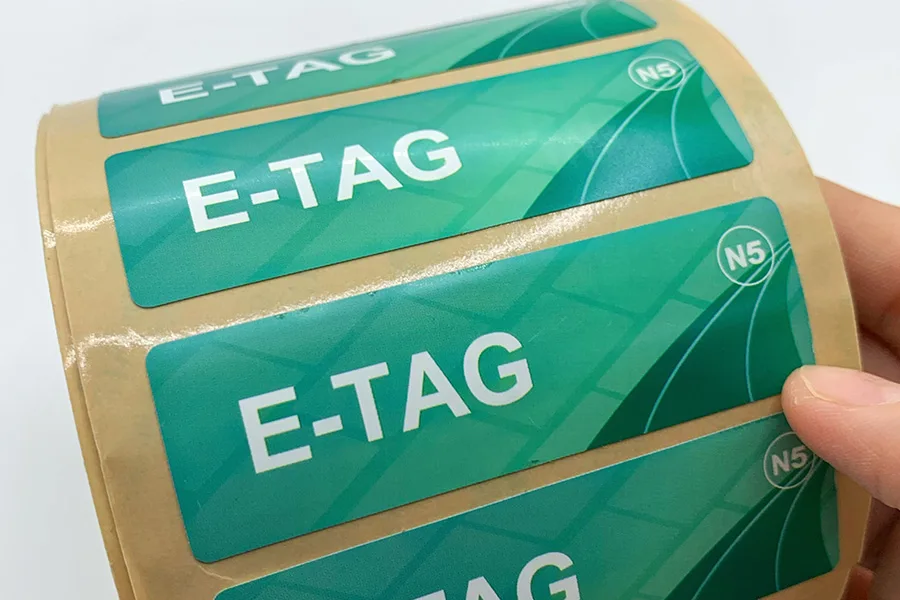
Questions to consider before choosing a tag.
Do archive boxes and individual documents need the same tags?
Assess them separately. Different identification levels, mounting space, document quantities and workflows may require different tag structures, positions and reading methods. Define the managed objects first, then validate with samples.
Will installing tags automatically locate archive records?
Tags provide readable identifiers. Search and location management also require readers, zone or shelf information and business system support. Design and validate the complete workflow for the required location granularity.
Bring your application conditions into the selection discussion.
Tell us about the identification targets, readers, operating environment and expected quantity to align the tag solution with the actual workflow.